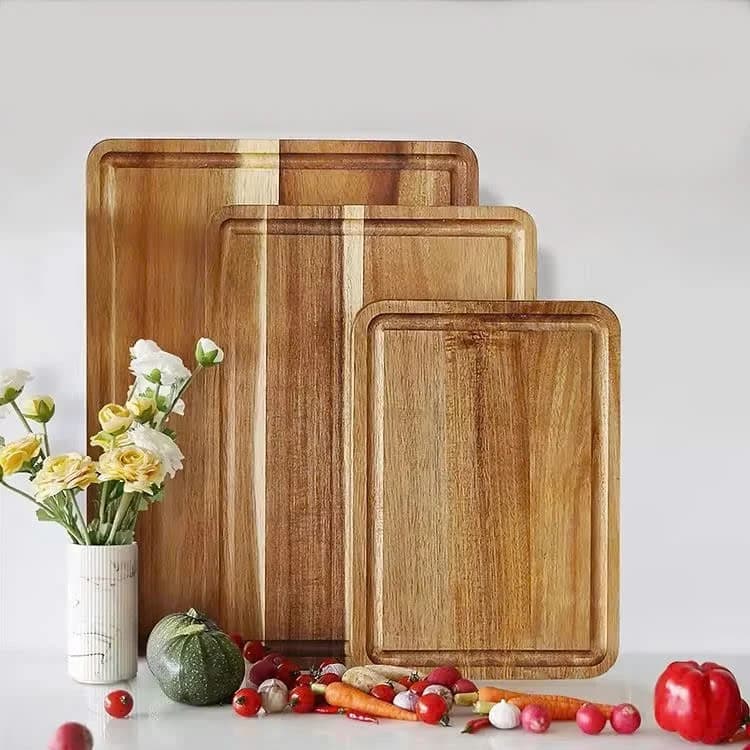
The story of an acacia board reaches beyond the finished surface. In Vietnam, it connects with a plantation resource built over decades—and with the people who grow, harvest and process it.
For a woodenware collection, that connection matters. A material’s visual character may attract the first glance, but its origin gives the story depth. Vietnam’s acacia resource offers a substantial foundation for that conversation, provided scale is accompanied by responsible forest management and clear sourcing information.
01 / THE RESOURCE
A substantial plantation base.
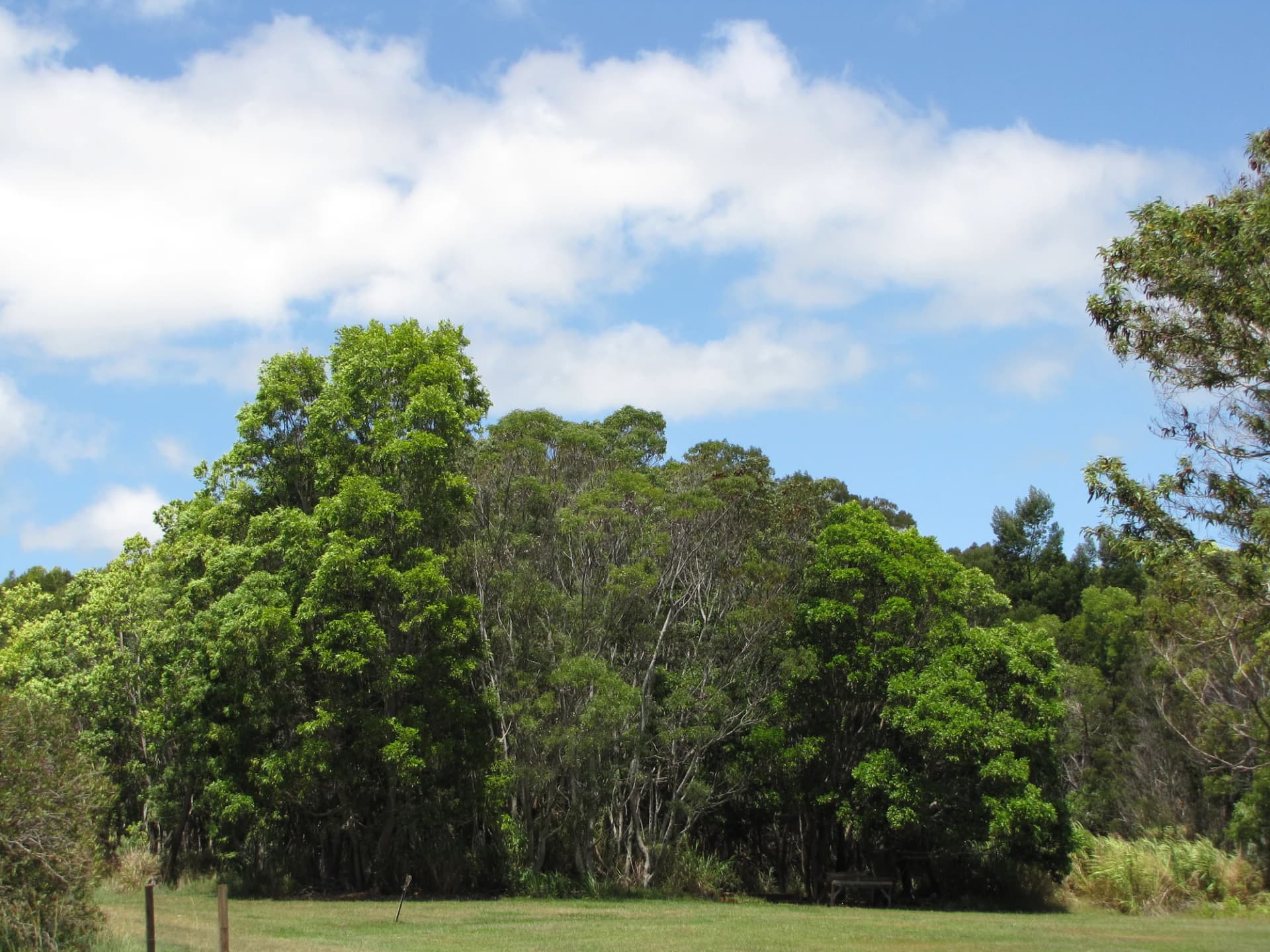
In January 2024, the Australian Centre for International Agricultural Research (ACIAR) reported that Vietnam had about two million hectares of acacia plantations. The figure gives a sense of the material’s national significance and the scale of the plantation base behind its many uses.
For buyers, this is useful country-level context. A particular woodenware programme still needs its own supply plan: suitable timber, agreed specifications, documented origin and the quantities required for that order. Turning a broad resource into a dependable product starts with those practical connections.
PLANTATION BASE IN VIETNAM
2M+
Hectares of acacia plantations (ACIAR 2024)
02 / PEOPLE & KNOWLEDGE
More than a stand of trees.
ACIAR’s account traces Vietnam’s acacia development through research on hybrids and decades of collaboration. It also describes the livelihood opportunities created for farming households and for people working in growing, harvesting, transport and processing.
This is the human dimension of a material often introduced only through a colour swatch. A more complete product story can recognise the knowledge and work behind the timber. Where a brand wants to name a particular growing area or community, that detail should come from the actual, documented supply chain.
03 / RESPONSIBLE MANAGEMENT
Abundance is a starting point.
A long-term resource depends on how it is managed. ACIAR’s plantation research links productivity with sustainability and growers’ livelihoods, while also identifying disease as a threat to commercial viability. It points to sustainably managed plantation supply as one way to reduce pressure on native forests.
For a sourcing discussion, the relevant questions include where the timber was grown, how harvesting and the next planting cycle are managed, and what information is available about the site and supplier. Soil and water protection, worker conditions and the avoidance of natural-forest conversion belong in that conversation.
Certification can provide a defined framework when it applies to the actual material and supply chain. Check its scope and supporting documents before using a certification claim on a product or its packaging.
“A lasting material story connects the resource, the people and the finished object.”
04 / BRING THE STORY TO THE TABLE
Make the origin part of the brief.
At the product-development stage, connect the sourcing discussion with the material that will actually be used. Ask how the supplied components relate to the agreed origin, then define dimensions, appearance and construction. A clear brief lets the finished object and its story support each other.
Vietnam’s plantation scale makes acacia an important material story. Responsible sourcing gives that story substance. The strongest collection brings both into view: an object people want to use, and an origin they can understand.
Sources & further reading
- ACIAR — 30 years of ACIAR–Vietnam partnership (January 2024)Báo cáo ước tính diện tích rừng trồng keo quốc gia và sinh kế nông thôn.
- ACIAR — Maximising productivity of Eucalyptus and Acacia plantations in Indonesia and VietnamDự án quản lý rừng trồng bền vững và bảo vệ hệ sinh thái.